

Tin Lid Manufacturer for Food & Beverage Packaging
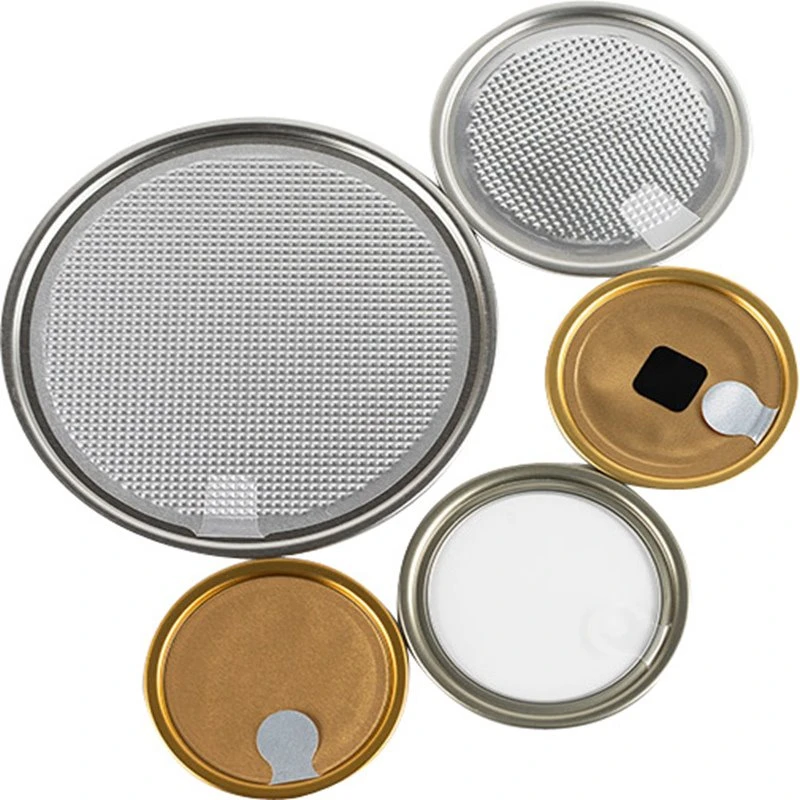
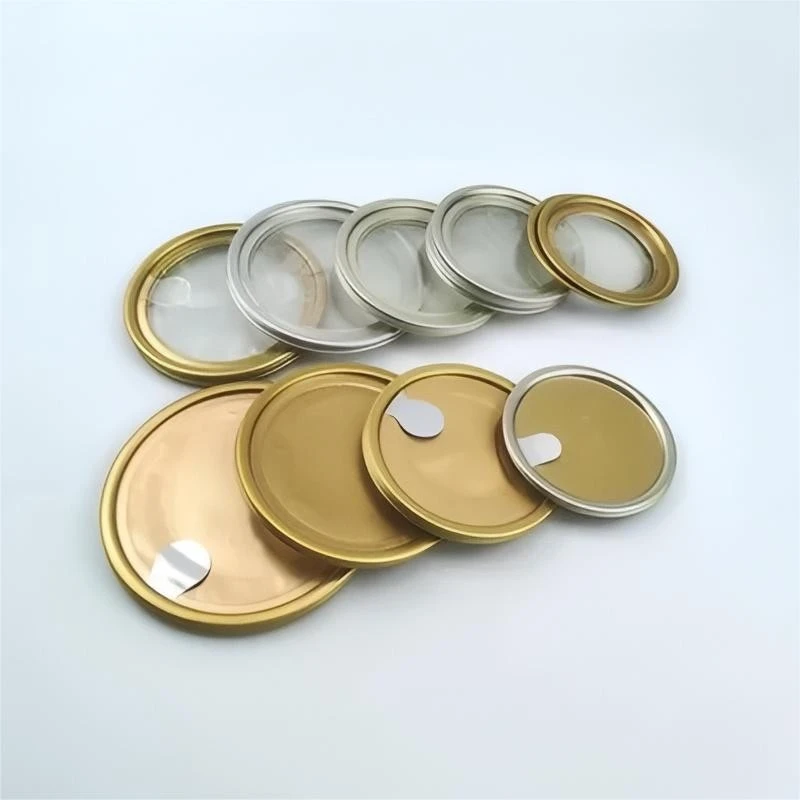
Minjia supplies Tin Lids for food cans, beverage cans, and glass jars. Our range includes plain can ends, easy open ends, beverage can ends, metal lug caps, and peel-off lids, with options for different sizes, materials, coatings, and printing requirements.
We support wholesale and OEM orders with specification review, sample evaluation, and bulk production.
-
![Can Ends]()
-
![Easy Open End]() Easy Open EndEasy Open Ends are metal can closures with a pre-scored opening panel and riveted pull tab, used to seal food cans while allowing access without a can opener. They are supplied to food can...read more
-
![Beverage Can Ends]() Beverage Can EndsOur Beverage Can Ends are the precision-engineered lids that seal in freshness and flavor for the modern beverage industry. Designed for seamless integration with standard can bodies, they provide...read more
-
![Metal Lug Caps]() Metal Lug CapsMetal Lug Caps are tinplate closures for glass food jars, used by food canning manufacturers, packaging suppliers and private-label brands. Their inward-formed lugs engage with matching jar neck...read more
-
![Peel-off Lid]() Peel-off LidPeel-off Lids are resealable closures for food storage containers and two-piece sterilization cans, featuring a transparent base, peelable polymer film and integrated pull tab. They provide sealed...read more
-
![Printed Lids]() Printed LidsPrinted Lids are tinplate metal closures with custom graphics, logos, and product information printed on the outer surface for food cans. They are used by food manufacturers, private-label brands,...read more


Tin Lid Types by Structure & Opening Design
|
Tin Lid Type |
Structure & Features |
Application |
|
Plain Can Ends |
Top or bottom closures with a formed curl and end profile matched to the can body for double seaming. |
Compatible metal cans |
|
Easy Open Ends (EOE) |
Feature a scored opening panel and pull tab for tool-free opening. Available with different end sizes, opening areas, and tab designs. |
Food cans and other compatible metal containers |
|
Beverage Can Ends |
Metal ends for aluminum or steel beverage cans. Diameter and tab design must match the can body and filling-line requirements. |
Aluminum and steel beverage cans |
|
Metal Lug Caps |
Twist-off closures with formed lugs and sealing compound matched to the glass jar finish. |
Compatible glass jars |
|
Peel-off Lids |
Use a peelable sealing structure. Material construction and sealing layer are selected according to the container rim and application. |
Compatible food containers |
Tin Lid Dimensions & Can-End Compatibility
Diameter & End Size
Standard diameters range from 52–153 mm, covering common sizes such as 202, 211, 300, 307, and 401. Final dimensions depend on the lid type and can-body specifications.
Seaming Profile
Curl depth, flange, countersink, and chuck wall dimensions must match the can body and seaming equipment, including automatic and semi-automatic lines.
Material & Thickness
ETP tinplate and TFS are available, with aluminum for selected designs. Steel thickness ranges from 0.18–0.25 mm, depending on lid structure and product pressure requirements.
Tolerances & Custom Tooling
Standard lids follow specified end sizes and model references. Custom diameters and non-round shapes can be developed from drawings or samples, subject to tooling requirements and MOQ.
Internal coating should match food composition, corrosion risk, and processing conditions.
Epoxy-Phenolic Lacquer
Gold or clear coating for general processed foods, vegetables, and non-acidic products.
Organosol Coating
Suitable for high-acid foods, tomato-based products, and applications prone to sulfur staining.
Modified Polyester (BPA-NI)
Non-BPA coating option for applications such as infant formula, dairy, and organic food packaging. Confirm migration requirements and supporting compliance documents for the target market.
Plain Tinplate (Uncoated)
Used for selected dry foods, biscuits, and non-food products where moisture and corrosion risks are minimal.
Coating Selection for Processing Conditions
For salty, protein-rich, or oily foods, coating compatibility should be assessed against the actual formulation. Retort applications require coatings suitable for the specified temperature, processing time, and conditions.
How Tin Lids Perform During Filling & Seaming
Compound Distribution
Pre-applied water-based or solvent-based sealing compound flows evenly into the curl channel during seaming to hermetically seal the seam interface.
Seam Integrity
Compatible with first-operation and second-operation roller profiles on atmospheric and vacuum seaming equipment.
Retort Resistance
Withstands thermal processing temperatures up to 121°C or higher without lacquer delamination or compound blistering.
Vacuum Retention
Maintains internal vacuum levels over extended shelf lives, preventing oxygen ingress and product oxidation in processed goods.
Tin Lid Inspection: What Should be Verified
|
Inspection Item |
Key Checks & Test Methods |
|
Incoming Material |
Verify metal grade, thickness, and material records against approved specifications. |
|
Forming & Dimensions |
Measure outer diameter, curl width, and countersink depth using micrometers or projectors. Check for dents, burrs, and deformation. |
|
Coating & Printing |
Inspect coating coverage, surface defects, and print position and color. Use cross-hatch tape tests to assess lacquer adhesion. |
|
Sealing Compound |
Measure dry compound weight per lid to verify consistent coverage and reduce leakage risks after seaming. |
|
Corrosion Resistance |
Conduct salt spray tests, such as ASTM B117 where applicable, to evaluate corrosion resistance. |
|
Opening Features |
For easy open ends, inspect score-line position, pull-tab attachment, and opening dimensions. |
|
Finished Product |
Check final dimensions, appearance, and packaging. Conduct seam evaluation and leakage tests where required. |
Specification Review
Review container drawings, lid samples, dimensions, opening structure, filling temperatures, and sterilization conditions to confirm technical requirements.
Material & Coating Selection
Confirm metal type, thickness, internal coating, and exterior finish based on food contact and processing conditions.
Prototype Sampling & Testing
Produce trial samples for dimensional checks, container-fit evaluation, and double-seam testing. Corrosion or shelf-life tests can be arranged where required.
Printing & Tooling Development
Confirm logos, artwork, and color references before printing. Non-standard sizes or structures may require dedicated tooling, with costs and lead times confirmed in advance.
Sample Approval & Production
Pre-production samples must be approved against drawings and application requirements. Mass-production tooling is finalized after customer sign-off.
Bulk Order Specifications & Export Supply
|
Item |
Specifications |
|
MOQ |
10,000–100,000 pieces, depending on size, coating, and customization. |
|
Lead Time |
Stock items: 7–14 days; custom lids: 25–35 days after approval. |
|
Samples & Documents |
Samples for fit and dimension checks; product specifications, test reports, and compliance documents available upon request. |
|
Export Packaging |
Food-grade paper interleaving, shrink-wrapping, export cartons, or wooden pallets. |
|
Moisture Protection |
Desiccants and stretch wrapping to reduce moisture and transit rust. |
|
Repeat Orders |
Approved drawings, materials, coatings, artwork, and inspection criteria retained for reference. |
FAQ
As one of the most experienced tin lid manufacturers and suppliers in China, we also support customized service. Please feel free to buy high-grade tin lid made in China here from our factory. Quality products and reasonable price are available.
Beverage Can Ends, Peel off Lid, Printed Lids